
Guide
Double JPEG Compression Analysis: Catching Forged Documents
Double JPEG compression analysis exposes composites and re-scans that error level analysis misses. A technical guide for Canadian compliance teams in 2026.
10 min read
Double JPEG compression analysis exposes composites and re-scans that error level analysis misses. A technical guide for Canadian compliance teams in 2026.

Learn to spot AI-generated fake documents through texture, lighting and MRZ mismatch artifacts — a forensic technique Canadian compliance and fraud teams can act on under FINTRAC and OSFI expectations.

Adversarial attacks try to fool AI models that screen documents for fraud. How the attacks work, what Canadian guidance says in the absence of a federal AI law, and why layered detection resists them.

C2PA, Content Credentials and AI watermarking explain what they miss for document fraud, why they fail, and where Canada's AIDA, the voluntary AI code and the EU AI Act actually reach.

Fabricated, tampered or reused certificates of completion: how Canadian lenders, landlords and law firms verify an e-signature audit trail against the underlying cryptographic seal instead of trusting the PDF.

How to detect an edited photo: why human visual review misses skilled edits, and the forensic signals — ELA, EXIF, clone patterns — that actually work.

No camera, no real product, no reuse to catch in a reverse search: how fully AI-generated damage photos differ from edited ones, and the signals that expose them.

Clone artifacts, localized error levels, EXIF traces, inconsistent shadows: the forensic signals that expose a fake damage photo used in a return, warranty, or claim.

A genuine damage photo obeys precise physical constraints on light, angle and framing. Here are the signals claims handlers learn to read before approving a payout.

What EXIF timestamps and GPS geolocation on a photo actually prove in a refund dispute, how to verify them, and why they remain trivially fakeable.

Which photos should support agents require before refunding a claim? Full checklist, UK consumer law and the fraud signals that make photos unreliable alone.

Reverse image search catches recycled claim photos pulled from the web. Here is exactly where it fails, and what closes the remaining gap.

A screenshot of a photo discards the original camera's metadata, breaking the chain of custody insurers, KYC teams and courts rely on. What gets lost, and what to request instead.

The same damage photo sometimes surfaces across several insurance claims. How perceptual hashing, regulatory limits and triage workflows catch recycled evidence in 2026.

What EXIF metadata actually proves about a customer photo, and where its evidential value stops — court rulings, technical limits and 2026 best practice.

How to structure high-volume claim photo review: AI produces actionable signals, adjusters decide. Method, FCA expectations and 2026 workflow design.

In-app camera capture blocks image reuse and screen recapture but not video injection. Compare the fraud trade-offs against file upload for KYC document checks.

How to require, verify and challenge photo evidence in e-commerce claims: UK consumer law, a collection checklist, and the signals that reveal a manipulated photo.

Screen recapture attacks let fraudsters bypass Canadian KYC uploads with a photographed screen. Moiré and PAD vs IAD signals expose them, per FINTRAC guidance.

Traced signatures, digital montage, AI-generated handwriting: the visual signals and forensic techniques that expose a forged signature under Canadian law in 2026.

Fraudsters hide instructions, not fake data, in documents to hijack AI KYC checks. See how prompt injection works and how Canadian firms defend against it.

How Canadian compliance teams can use EXIF metadata forensics to catch falsified payslip, bank statement, and ID photos submitted during onboarding — red flags, tools, and the limits FINTRAC-regulated reviewers need to know.

Learn how to spot fake holograms and forged security features on Canadian passports, provincial driver's licences, and PR cards — practical checks compliance teams can run before AI-assisted fraud slips through.

Fraudsters exploit the gap between a PDF's visible image and its hidden text layer to fool OCR checks. Learn how cross-checking both layers catches it.

Detect a fake payment screenshot: check bank, PayPal, Venmo and Revolut transfer proofs for forgery signs before you release goods or keys.

A photographed stamp can be copied and pasted in seconds. Here are the 7 visual red flags and forensic techniques that expose a forged stamp in Canada.

Recycled fraud documents pass single-file checks but repeat across applications. See how fingerprinting exposes fraud rings reusing templates in Canada.

Verify QR codes and barcodes on official documents to detect forgery: 2D-Doc, MRZ, Canadian PDF417 licence barcodes and EUDI Wallet.

Font forensics detects forged documents through typeface substitution, kerning errors, and anachronistic fonts — a Canadian compliance guide distinct from ELA and metadata checks.

12 concrete signals — metadata, text patterns, visual cues, and cross-checks — to identify AI-generated or AI-altered documents. Practical guide for compliance and KYC teams.

ChatGPT and large language models now generate undetectable fake text documents. How fraudsters exploit LLMs, which documents are targeted, and how to protect your organisation.
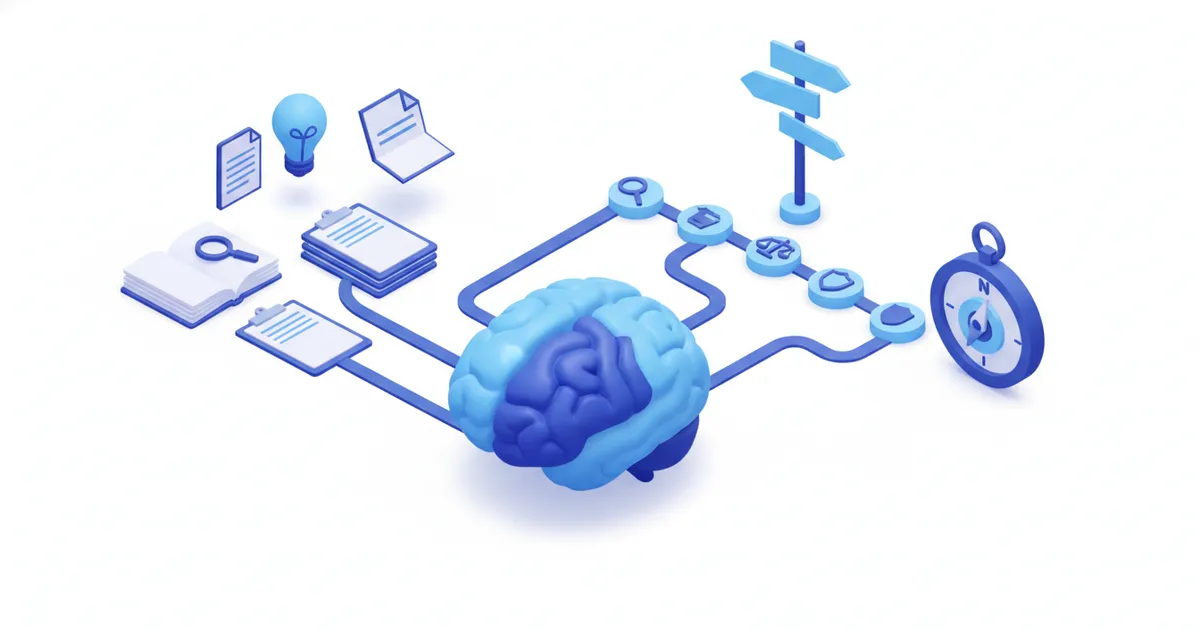
Generative AI models (GANs, diffusion, LLMs) fabricate payslips, IDs and bank statements that fool the human eye. Learn how they work and what detection methods actually stop them in 2026.

Liveness detection and document forgery detection protect against different fraud vectors. Learn their differences, regulatory requirements, and how to combine them in KYC.

Error level analysis (ELA) detects pixel-level manipulation in JPEG images. Learn how forensic teams use ELA to uncover forged payslips, IDs, and bank statements.

Check if a PDF has been edited: metadata forensics, tools, red flags and UK compliance steps to detect a tampered PDF and spot modification traces.

Practical guide to training staff on visual cues for AI-generated document fraud: seven key indicators, a three-tier programme, and UK AML obligations for 2025.

How to detect fraudulent proof of address, bank details, and tenancy agreements during home insurance underwriting in 2026. FCA framework, detection methods, and tools.

Compare document forensics tools for detecting AI manipulation in PDFs and images. Practical 2026 guide with comparison table and selection criteria for UK businesses.

Complete guide to deepfake document detection: techniques, tools, and regulatory requirements for spotting synthetic ID forgeries in 2026.

How finance teams can use fake invoice detection AI to identify AI-generated invoices in 2026. Covers red flags, a 5-step protocol, and UK regulatory context.

AI-generated identity fraud, synthetic payslips, deepfake documents: a guide to the types, forensic detection methods, and regulatory outlook for 2026.

How much does CheckFile cost? Starter, Business and Enterprise plans explained, pay-per-use model, and ROI analysis for automated document verification.

CheckFile vs Veriff comparison for Canadian businesses — FINTRAC, PCMLTFA, OSFI, PIPEDA. Which KYC verification solution to choose in 2026?
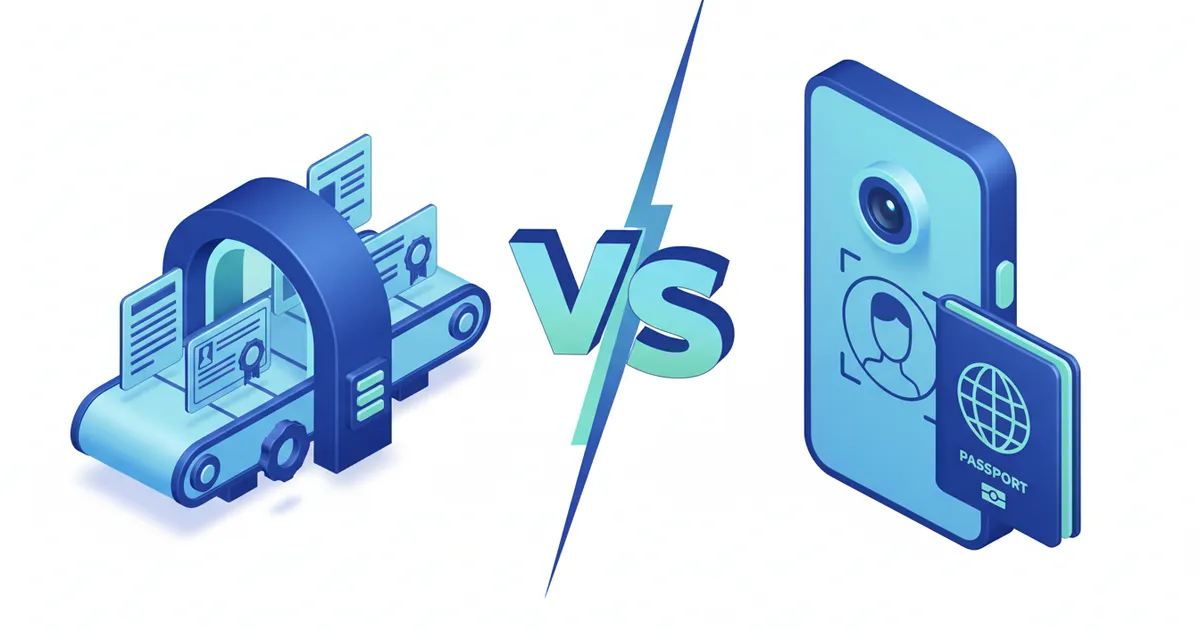
CheckFile vs Jumio comparison for Canada — FINTRAC, PCMLTFA, OSFI, PIPEDA compliance. Which document verification solution to choose in 2026?
CheckFile vs Sumsub comparison for Canadian businesses — FINTRAC, PCMLTFA, PIPEDA compliance. Which document verification solution to choose in 2026?
Detailed CheckFile vs Onfido comparison for Canada — FINTRAC, PCMLTFA, PIPEDA compliance. Which document verification solution to choose in 2026?

Canada-specific KYS guide: FINTRAC, PCMLTFA, OSFI, PIPEDA compliance for procurement teams. 12-step vendor verification checklist, provincial variations, red flags.

Verify business licenses and permits in Canada: Corporations Canada, FINTRAC MSB search, provincial registries, OSFI and CRA.

Complete Canadian vendor due diligence checklist: 7-step process, FINTRAC PCMLTFA requirements, OSFI guidelines, PIPEDA and provincial compliance 2026.

How to verify a utility bill as proof of address in Canada: accepted document types, fraud signals, FINTRAC and PCMLTFA requirements, and automated verification tools for KYC compliance.

How does online age verification work in Canada? Legal framework (PCMLTFA, PIPEDA, Loi 25 QC), technical methods, penalties, and compliant solutions for Canadian digital services.

Verify employment history and work eligibility in Canada: SIN, ROE, PIPEDA compliance and IRCC work permits. A step-by-step employer guide.

A practical guide to the documents Canadian employers must collect and verify during background checks, covering identity, SIN, work authorization, credentials, and criminal record checks.

Integrate document validation into your application: REST API, webhooks, code examples in Python and Node.js.

KYC solution pricing breakdown for Canadian businesses with ROI calculator and TCO analysis.

Detailed comparison of CheckFile vs Trulioo — features, pricing, global network, compliance. Which identity verification solution should you choose in 2026?

Complete guide to document verification pricing: pricing models, hidden costs, ROI calculation and vendor negotiation strategies.

Complete buyer's guide for AI document validation: 8 evaluation criteria, comparison framework, key questions for vendors, and common mistakes to avoid.

Practical anti-fraud framework for document processing teams. Covers fraud typologies, internal controls, staff training
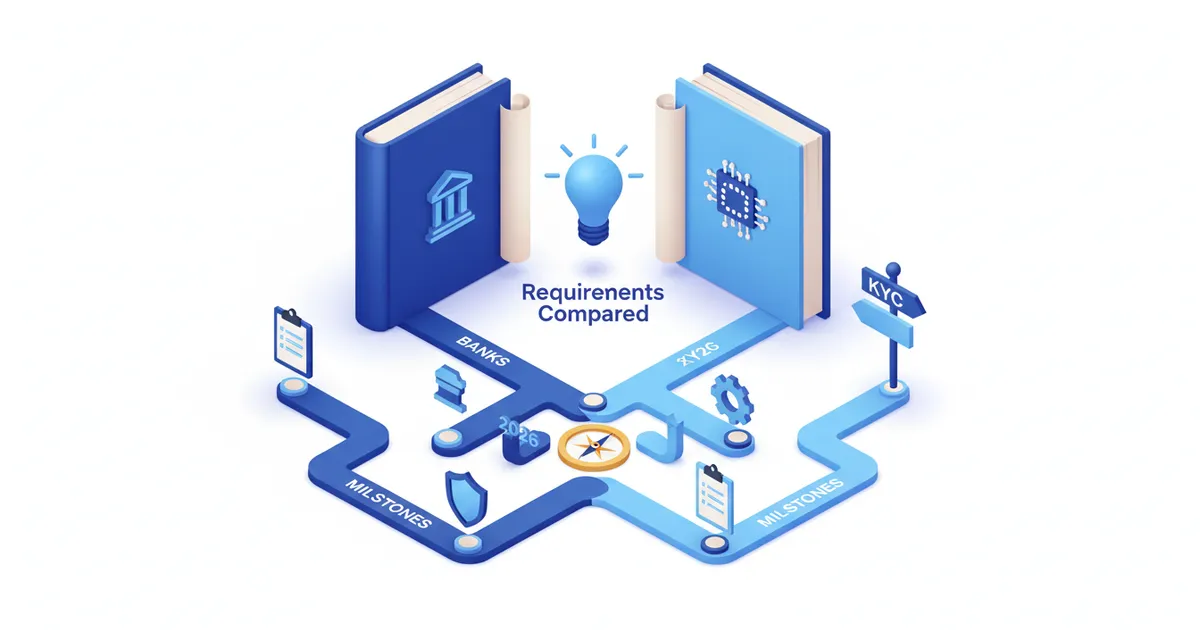
KYC requirements for Canadian banks vs fintechs compared: OSFI oversight, PCMLTFA obligations, FINTRAC compliance processes
Technical and compliance evaluation framework for choosing your document verification solution: 15 criteria, scoring grid and selection process.
Document verification: checklists, AI solution selection, API integration and digital identity. Practical 2026 guide for compliance professionals.

How Canadian financial institutions can streamline customer onboarding under PCMLTFA, FINTRAC, and PIPEDA requirements
Comparison of the best document verification software in 2026: features, pricing, compliance and selection criteria for your business.

Detailed comparison of CheckFile vs IDology — features, pricing, geographic coverage, compliance. Which verification solution should you choose in 2026?

Automated document verification workflows reduce processing time by 85% and error rates by 92%.

Complete customer due diligence (CDD) checklist by sector in Canada: banking, real estate, legal, accounting.

What is KYB? Business verification process, required documents (certificate of incorporation, beneficial ownership registry, Corporations Canada checks)

Required documents by financial partner for Canadian equipment leasing. 23% of file rejections are avoidable with the right checklist.

Canada's digital identity landscape: provincial digital ID programs, Verified.Me, and how government-backed identity verification transforms KYC

Compare identity verification solutions by method, pricing and compliance level for Canadian businesses, including fraud screening costs.

How long to keep tax records and files in Canada: retention periods under the Income Tax Act, CBCA, CRA rules and PIPEDA, by industry.

Complete guide to electronic document archiving in Canada: legal obligations, retention periods, technical standards

Canadian e-invoicing compliance guide: CRA digital record requirements, GST/HST filing and Peppol adoption, with practical steps for businesses.

Complete guide to global data privacy compliance for Canadian businesses: PIPEDA, Quebec Loi 25, CCPA, LGPD, POPIA, PIPL, GDPR.